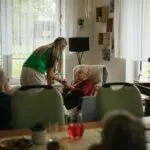

Most of us want to stay in the comfort of home as we age. Familiar routines, favourite spots to sit, neighbours we’ve known for years. But there comes a time when home might not offer the support we truly need. Daily care starts being a bit much, both for the person and the family around them. A luxury care home in London can offer safety, company, and skilled care every day, but knowing when to make that choice isn’t always clear.
We often hear from people who say, “We’re not sure if now is the right time.” That feeling is understandable. Change can feel big. With that in mind, we’ve put together a few signs that life at home may no longer be the best fit, and why a different setting might actually bring more ease, not less.
Changes in Daily Routines
Small shifts in routines can say a lot. Tasks like washing or making a cup of tea take longer. Shoes stay untied. Lunch never quite makes it from the fridge to the plate. These things can start slowly but build into frequent worry.
- Washing and dressing begin to feel more like challenges than habits
- Meals are skipped or forgotten, and medications may be missed altogether
- There’s more sitting and less walking, simply because it feels easier
These changes might not grab attention at first, but over time they can lead to health risks and lower quality of life. Being in a place where someone is nearby to help (without getting in the way) can make daily life feel much smoother. Gentle support can bring back comfort while keeping a sense of independence.
Some people may find themselves repeating tasks, like making the bed several times a day or forgetting if they’ve had breakfast. Over time, these slips can bring stress to both the person and those around them. It’s important to notice if there are more unwashed cups piling up, or books left open and forgotten. These could be signs that daily life at home is getting tricky. This isn’t about blaming anyone for little mistakes. Instead, it’s a gentle hint that something more might be helpful.
Routine confusion can also make mornings and evenings harder. You might notice your loved one is wearing odd combinations of clothes or sleeping at unusual times. A care home can create a steady flow to the day, offering reminders and help as needed. This way, routines feel safe, and important little tasks are taken care of with kindness.
Home No Longer Feels Safe or Practical
Many London homes weren’t built for long-term care needs. Narrow steps, slippery tiles, or lack of lifts make them difficult to manage. What used to be a quick trip up the stairs now involves heavy breathing and a firm grip on the handrail.
- Homes with no downstairs toilets or bedrooms can limit movement
- Falls, near-falls, or needing help getting out of a chair become more frequent
- Every outing starts to feel like a safety risk rather than a simple choice
At Beulah Vista, our high-end accommodation includes accessible en suite rooms, step-free access, and secure walkways, offering a safe and comfortable environment for all residents. Even small tasks like reaching for a cupboard or stepping into the shower can bring hesitation. In this case, it may not be the person who’s changed, it might be the home that’s no longer the right fit. A safer layout and on-hand help can take away the risk and bring back confidence.
Families often try adding ramps or handles, but sometimes those updates only solve part of the problem. Hallways might still be narrow, sharp corners remain, and the outside world can become more distant with every obstacle. Elevators aren’t common in most older houses, and sometimes even those living on the ground floor can struggle with raised thresholds, narrow bathroom doors, or small steps at the entryway.
It can also become harder to get in and out of the bath safely, and stoves or kettles might start feeling risky, particularly if eyesight changes. If the house feels cold, noisy due to street traffic, or simply too big to keep clean and tidy, stress can build up. When someone no longer feels steady or at ease in their own home, it is a sign to consider something new. A space that feels open yet cosy, where support is always nearby, can restore a sense of calm.
Social Isolation or Mood Changes
For many people, quiet mornings and peaceful afternoons are welcome. But when quiet stretches into isolation, a sense of loneliness creeps in. Family may visit when they can, but in-between, the silence can feel heavy.
- Days go by with little conversation or face-to-face connection
- Old hobbies feel too difficult, and regular phone calls feel tiring
- Mood takes a dip (some seem more withdrawn, annoyed, or just less cheerful)
Our care home encourages social connection through welcoming lounges, regular group activities, and secure gardens for neighbourly gatherings. Being around others can lift that heaviness, even if it’s just a shared meal or a morning walk with someone new. A place with built-in social options (where no one has to plan gatherings or schedule visits) can help bring back joy and connection at a steady pace.
It’s not just the amount of activity that matters but the feeling of being included. Some older adults might not say they feel lonely. Instead, you might notice smaller things, like unfinished crossword puzzles gathering dust, or a marked calendar left with many empty days. Even changes in appetite or sleeping patterns can sometimes signal that someone’s feeling more alone than before.
In a care home, friendly staff and neighbours can help spark gentle conversation, or offer a warm smile in the hallway. Activities like music, games, or simple walks together can lift the mood, even for those who enjoy time on their own. Being able to join in when they wish, but also retreat to quiet space, can bring a sense of choice and balance that home alone sometimes lacks.
Family or Carer Burnout
Caring for a loved one, especially full-time, can wear people down in ways they didn’t expect. It’s not just about physical tasks. It’s the late-night worry, the mid-morning reminders, the constant background thought of “Is everything alright?”
- Family members juggling work, parenting, and care may feel stretched thin
- Sleep suffers, and the smallest tasks can begin to feel heavy
- Nobody gets a proper rest, which affects how we show up day-to-day
When caregiving becomes more than one person can manage, it’s not a sign of weakness. It just means something different is needed. Having support doesn’t take love out of the picture. It simply allows everyone to rest a bit easier.
It isn’t unusual for friends and relatives to promise, “I’ll manage, I can do it.” Over time though, juggling all these roles can mean less patience, more worry, and sometimes even health problems for the carer. You may notice missed appointments, forgotten birthdays, or fewer smiles at home. This is natural, and it happens to caring people who try their very best.
Sometimes, it is routine tasks like helping with bathing or eating that become the hardest. Or it could be the stress of sorting out medication, fielding doctor calls, or fixing sudden appliances. The emotional side can also feel heavy, coping with changes or new behaviours while feeling alone can add to the weight. When the whole family starts feeling it, exploring another option might be the kindest thing for everyone.
Sharing the care can help family time become more enjoyable again, replacing stress with simple pleasure. Grandchildren can visit just to play, adult children can talk and laugh without feeling rushed, and old friends can reconnect without worry.
A Thoughtful Step Toward Comfort and Support
Making a move into a care setting doesn’t have to feel like giving something up. In many cases, it’s a return to peace, both for the person moving and those closest to them. A luxury care home in London may be the right fit when home life starts feeling less secure, more frustrating, or just too complex to manage well anymore.
- Shared spaces bring back a sense of community, even in daily routines
- Balanced care can keep someone safe without changing their personality or lifestyle
- Life doesn’t have to shrink (it can still hold comfort, fresh air, warm meals, and kind company)
Beulah Vista offers a family-centred setting in Upper Norwood, with landscaped gardens, compassionate services, and person-centred care for every resident. It’s not about making a fast decision. It’s about taking a kind one. When things at home start shifting in ways that don’t feel quite right, it’s okay to look around and ask what could feel better. Sometimes, that answer comes with a new setting, built with both care and ease in mind.
Wondering if it’s time to explore what extra support could look like? At Beulah Vista, we believe comfort and familiarity are important to care that feels just right. Choosing a luxury care home in London can offer personalised support while making sure life remains meaningful and independent. Reach out to us today and let’s have a warm, simple conversation about what matters most to your family and the best next steps.