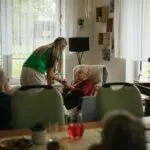

When someone moves into care, they aren’t just looking for help with daily tasks. They want to feel safe, known, and respected. That’s where person centred nursing care comes in. It means care that focuses on the individual, not just their medical needs. It’s about more than schedules and routines. It’s about listening, noticing small things, and building trust over time.
As people get older, especially in care homes, this kind of thoughtful support makes a real difference. It can improve someone’s mood, reduce stress, and make everyday life feel calmer and more enjoyable. We find that simple adjustments, like offering a favourite snack or recognising someone’s usual routine, can bring comfort and an extra sense of belonging. In this post, we’ll walk through what makes person centred nursing care so helpful and why it matters, especially as we head into the autumn season.
Meeting People Where They Are
Good care begins with paying attention to the small things. It starts with really listening and noticing what makes each person feel most like themselves.
- We take time to learn about someone’s daily habits, favourite foods, and personal routines
- If someone prefers a quiet breakfast or a certain chair in the lounge, those are details that matter
- Playing their childhood music in the afternoon or offering a warm drink at the usual time makes the day feel familiar
When people see that their routines are not only noticed but actually kept in place, it helps them settle in more easily. Those rhythms give comfort and allow each person to feel in control, even when they need extra support throughout the day. When daily life includes familiar touches, people can relax and enjoy the environment without feeling out of place.
We believe that showing respect for those preferences starts any new relationship off on the right foot. For example, staff might arrange for someone’s morning paper to be on the table, or remember to bring a cushion that offers better back support. These are small things that really add up and let someone know they matter.
Building Trust Through Consistent Support
One of the strongest parts of care is trust. And trust takes time. When the same friendly faces show up each day, people feel more relaxed and willing to ask for help.
- Seeing the same nurses or carers helps build a calm and stable rhythm
- Familiar voices and faces can ease worry, especially for those who may struggle with memory
- Having steady support makes daily routines feel more secure and less rushed
Having consistency lets people settle into a familiar routine. When a person recognises and trusts the staff members supporting them, they are more likely to share important details about how they are feeling or what they might need. This open communication helps us provide even better care.
Over time, this predictable care brings a sense of peace. No one wants to explain their needs to someone new every day. When trust is built, it makes every part of care feel more like a partnership instead of something being done for someone.
We find that trust also means a person can relax into their surroundings. They know that if they mention a sore knee or ask for help with a new hobby, the same carer will listen and respond with care. That sense of being understood is what makes someone feel secure.
Encouraging Independence and Choice
Needing care doesn’t mean giving up choice. In fact, making decisions, even small ones, can help someone feel more confident and connected to their daily life.
- People are encouraged to choose their clothes, plan their day, or decide where to eat lunch
- Making space for these choices shows respect and keeps people feeling in charge
- It’s not about doing everything alone, but about having a say in what matters most
When we focus on independence, it reminds each resident that their opinion still counts. This builds dignity and can lift someone’s mood just by letting them call some of the shots.
Having input, even in the smallest ways, supports a person’s sense of self. One person might choose to join a morning walk, while another prefers to stay in and read. Some decide what to eat or when to see visitors. By allowing for these choices, we help residents feel respected and valued.
We see that these daily decisions give people an active role in their care. Instead of routines being fixed, they’re shaped together. It’s a way to make every day more meaningful and personal.
Support That Feels Like Home
Care settings don’t need to feel cold or clinical. In fact, small touches can turn a building into a home. When person centred nursing care is at the core, the space becomes more than a place to live.
- Favourite pictures on the wall and soft blankets on the chair help personalise each room
- Shared meals with friendly conversation make mealtimes feel social, not formal
- Background music, lighting, and quiet corners create comfort, not chaos
When each person’s interests are reflected in their living space, there is a stronger feeling of home. A favourite armchair, a familiar photo, or a child’s artwork framed on a bedside table are all parts of this. The lounge might be set up for a group crossword or knitting. These choices encourage activity and warmth, even when the weather outside keeps people indoors.
Beulah Vista in Upper Norwood, London, extends these comforts with premium facilities, beautifully landscaped gardens, and inviting communal spaces for residents and their families.
These warmer details might seem small, but they add up. A home-like environment brings calm and ease. It makes care feel natural, not forced. People feel more at peace in a space that reflects who they are.
When visitors walk in, they often notice the difference these small touches make. It is not only about what is in a room, but about the feeling those things create: respect, comfort, and contentment.
Why This Approach Matters Most Now
As we move deeper into autumn, days grow shorter and temperatures drop. This time of year can feel a bit quieter, and for some, even a bit lonely. That’s when connection and steady care make the biggest difference.
- Person centred nursing care helps people stay active and engaged, even if they go outside less during cooler months
- Regular conversations and familiar activities bring light into darker afternoons
- Recognising and adapting to changing moods or energy levels helps each person feel steady throughout the season
We notice that keeping a gentle routine and offering extra support is especially helpful during autumn. Less daylight might affect mood or energy, so a caring team pays attention to those changes and adjusts care as needed.
At Beulah Vista, a family-centred approach shapes every aspect of care. We make sure residents’ unique preferences are respected and their wellbeing remains central as seasons change.
When a favourite meal or a long chat brings a smile, or when a walk in the garden is offered even on a chilly afternoon, it brightens the day. In autumn, when routines shift again, it’s more comforting than ever to be seen and understood. Steady care wrapped in genuine attention helps people feel less alone as the days change.
Everyday Comfort and Lasting Peace of Mind
Caring for someone means paying attention to their whole self (their history, their voice, and their daily comfort). When care is shaped around the person, they’re not just looked after. They’re heard. They’re known.
That’s the heart of person centred nursing care. It’s about real connection. When someone feels truly seen, it improves everyday life in quiet but powerful ways. Whether it’s keeping a bedtime routine or simply offering a warm smile each morning, thoughtful care brings peace, one moment at a time.
At Beulah Vista, we believe thoughtful care should feel natural, not forced. When each person is treated with kindness, respect, and clear communication, daily life becomes calmer and more meaningful. To learn how our approach to person centred nursing care supports this, we’re here to help. Feel free to contact us with any questions.